Marseille: a European Challenge, a Local Response
While the city continues to grapple with the scars left by drug-trafficking-related violence and the victims’ families demand truth and justice, dozens of representatives from European civil society are gathering on the shores of the Mediterranean to address a question as simple as it is urgent: how can we prevent organised crime from recruiting young people into its ranks?
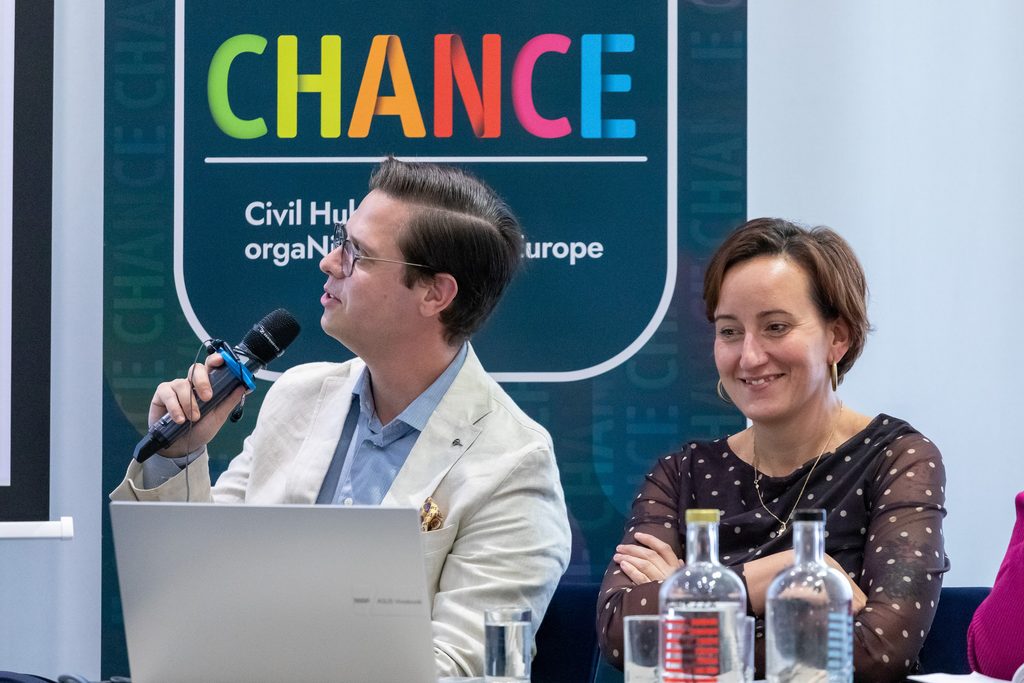
It is here that the second edition of the CHANCE Forum is taking place, the annual meeting of the European network committed to combating organised crime and corruption. Following Brussels, the choice has fallen on Marseille. Not just any city, but one of the places where Europe’s contradictions are most clearly laid bare. A city open to the sea, a crossroads of cultures, renowned for its urban and architectural heritage, yet also marked by profound regional inequalities and criminal activity which, in recent years, has brought the issue of violence linked to drug trafficking back to the forefront of public debate.
It would, however, be a mistake to portray Marseille solely through the lens of its vulnerabilities.
For in the very same neighbourhoods where the state sometimes struggles to be perceived as present, there are organisations, citizens and communities that, day in, day out, create opportunities for participation, inclusion and citizenship. It is from here that the Forum has chosen to begin.
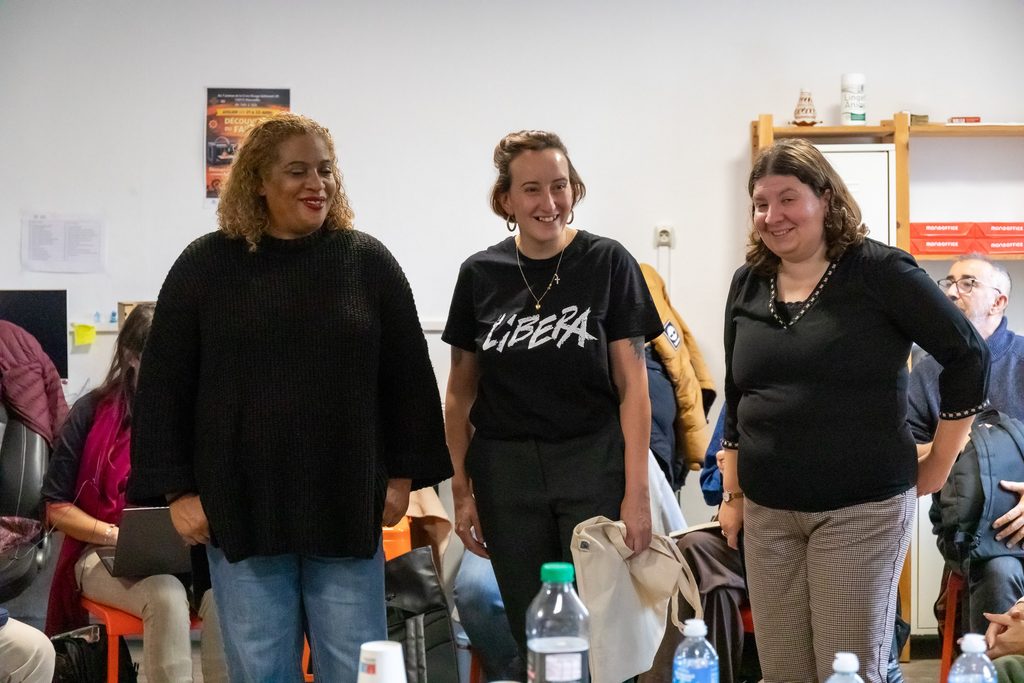
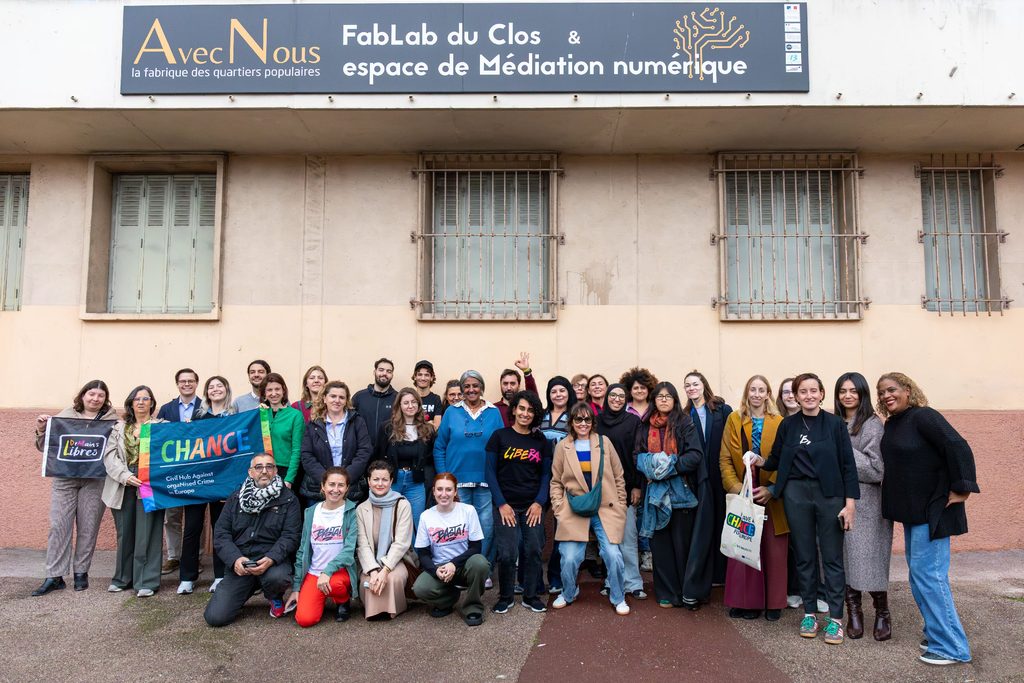
Thanks to the invaluable work of DeMains Libres, a French organisation that is a member of the CHANCE network and co-organiser of the event, participants were able to engage with some of the city’s most significant social initiatives.
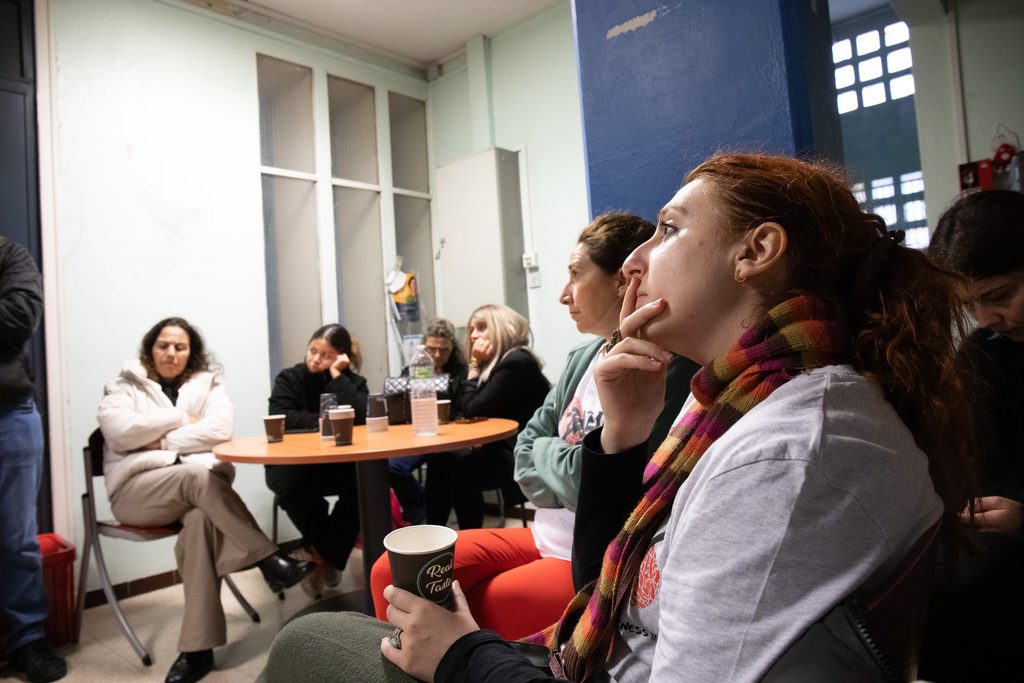
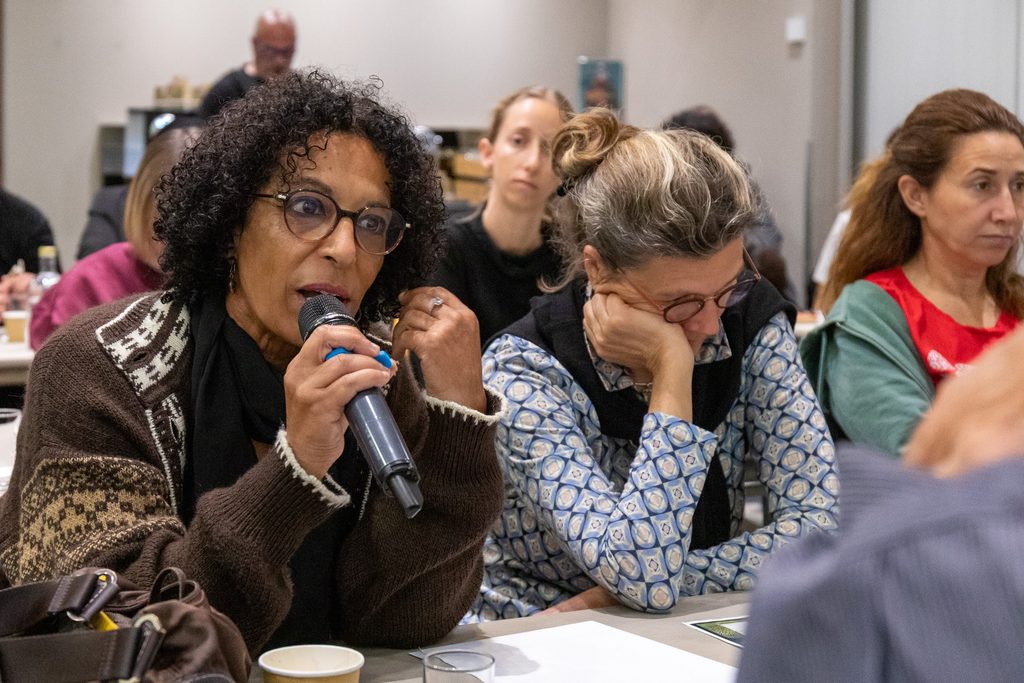
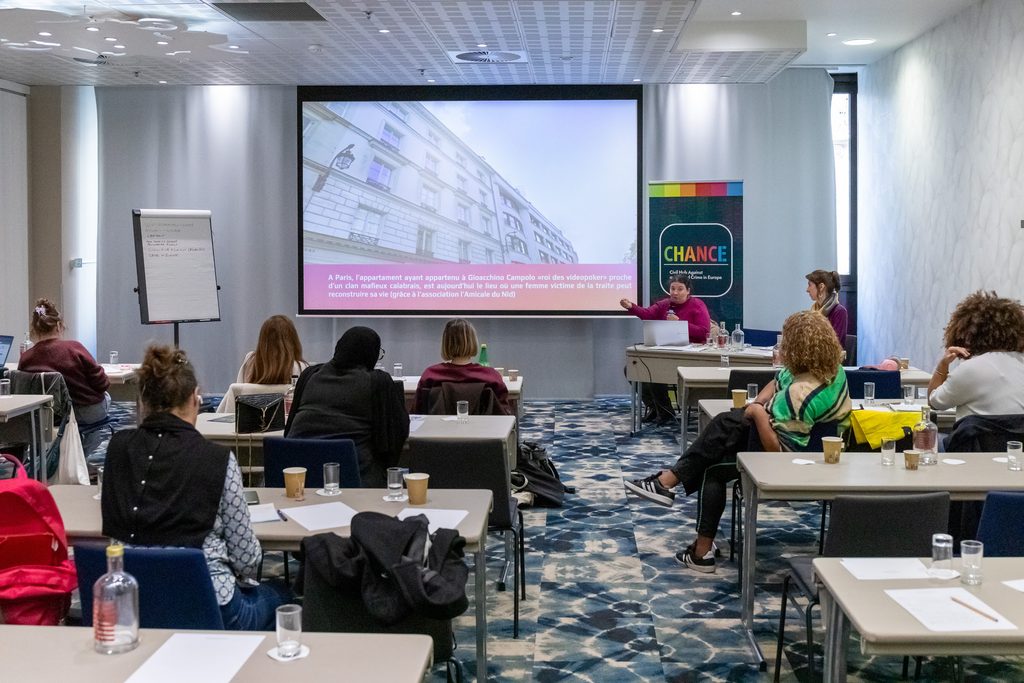
This was not merely an international gathering or a conference of experts. The two days were designed as an immersion in the neighbourhoods, stories and relationships that shape Marseille. Representatives of organisations from various European countries met with local groups to understand how pathways of prevention and civil resistance are built in practice.
Among these was the association Avec Nous, which works alongside local communities and the collective of relatives of murder victims. The meeting with these families served as a reminder to all participants that behind the analyses, statistics and debates there are people who live with loss on a daily basis and who continue to demand justice.
The same spirit underpins the work of Conscience, founded by Amine Kessaci, a leading figure in civic engagement in the city’s working-class neighbourhoods.
The visits and exchanges with the Marseille-based organisations demonstrated that prevention is not merely a slogan but a daily practice built on relationships, a presence on the ground and opportunities offered to younger generations.
A Public Debate on Prevention and Civic Engagement
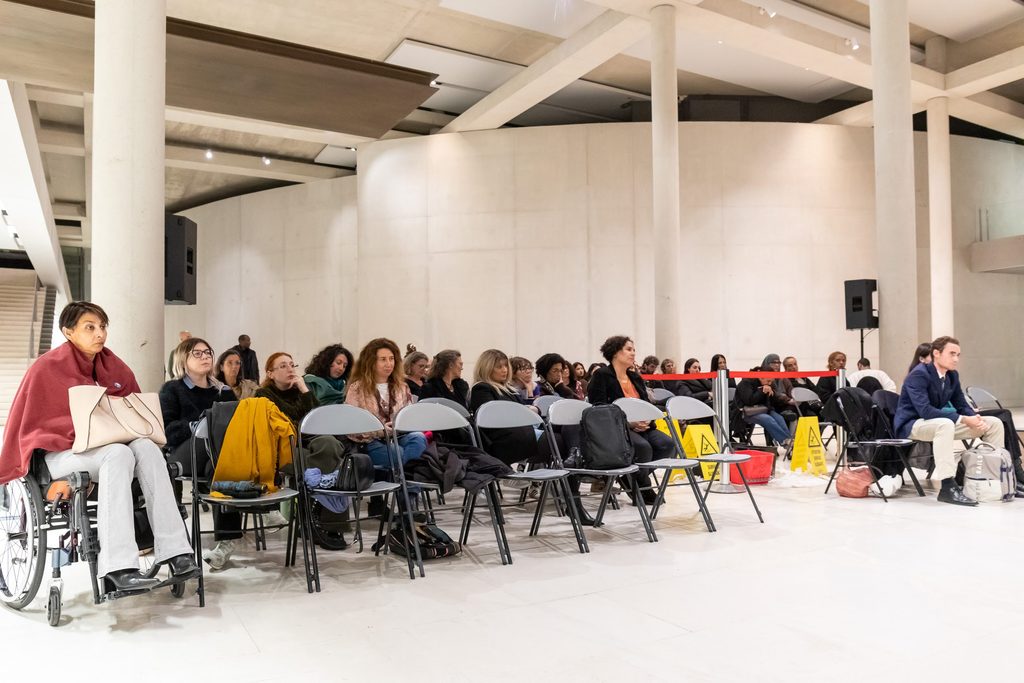
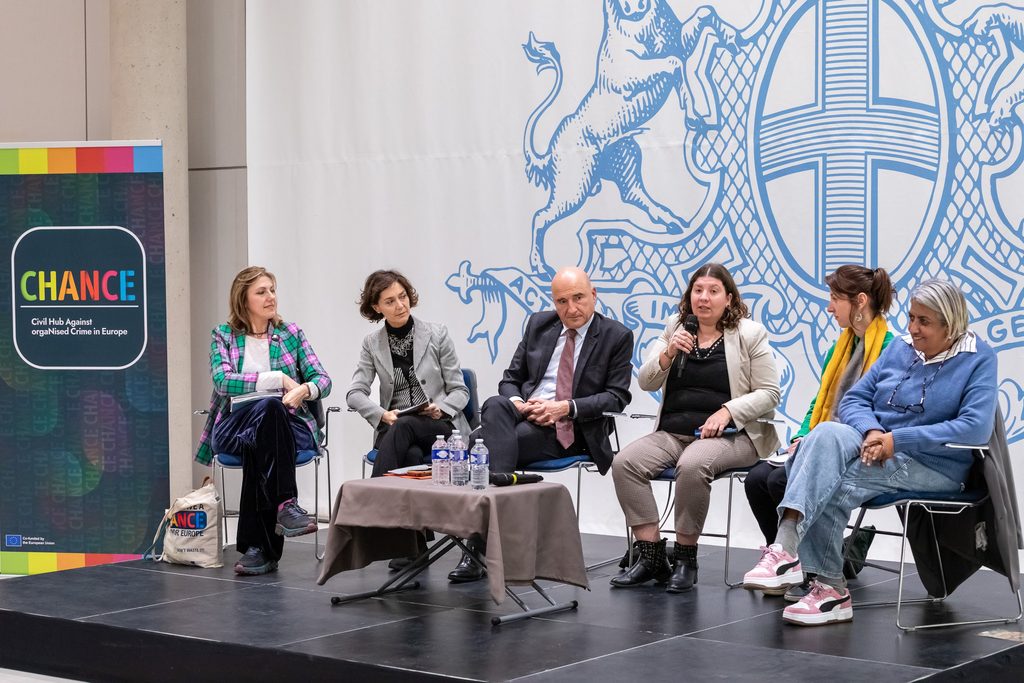
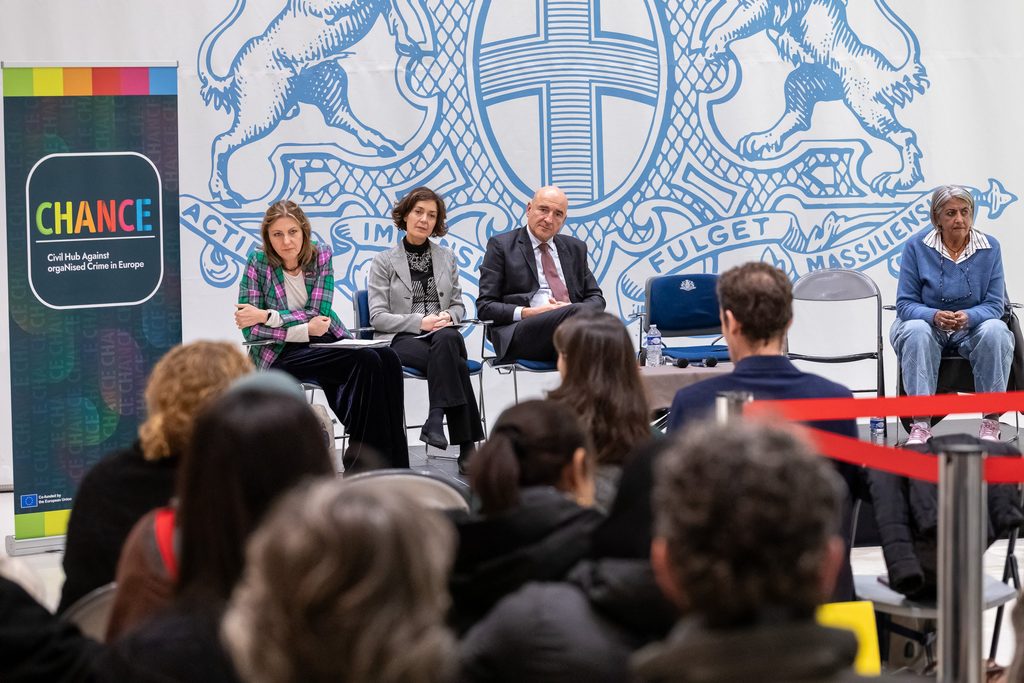
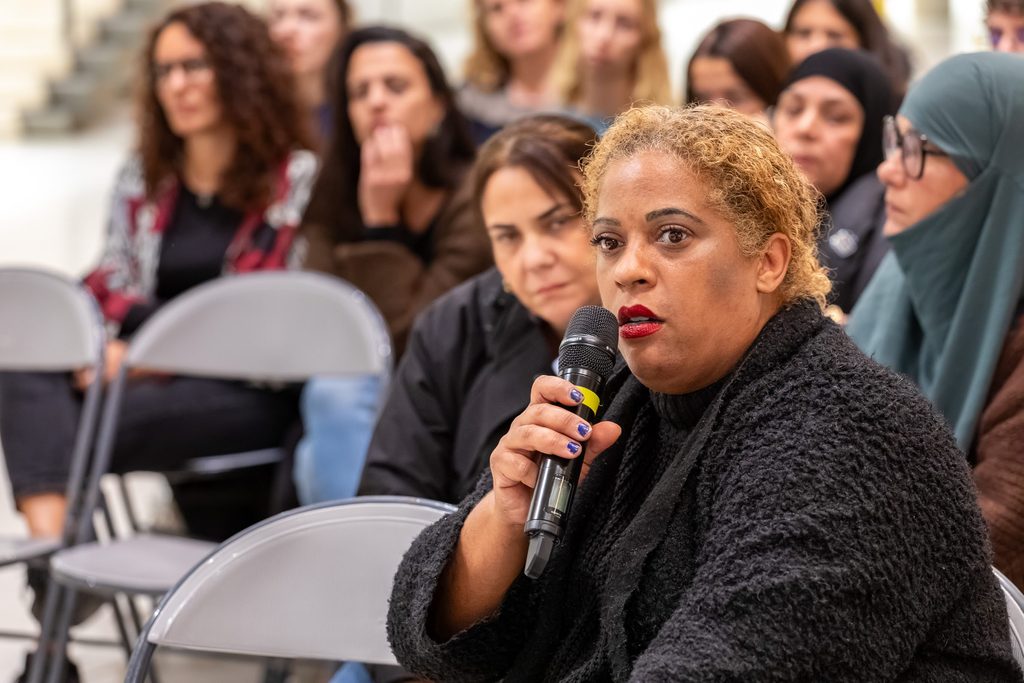
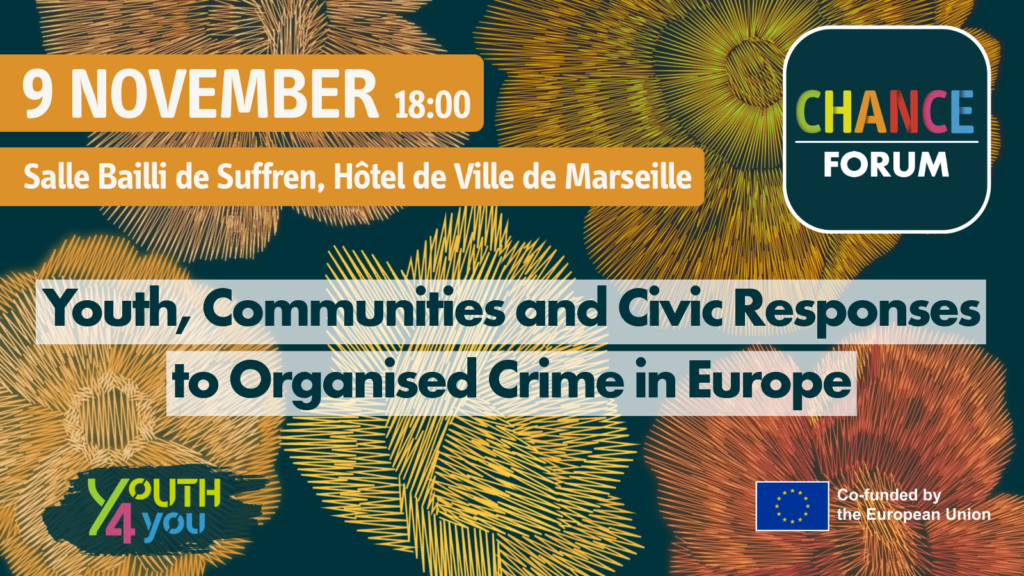
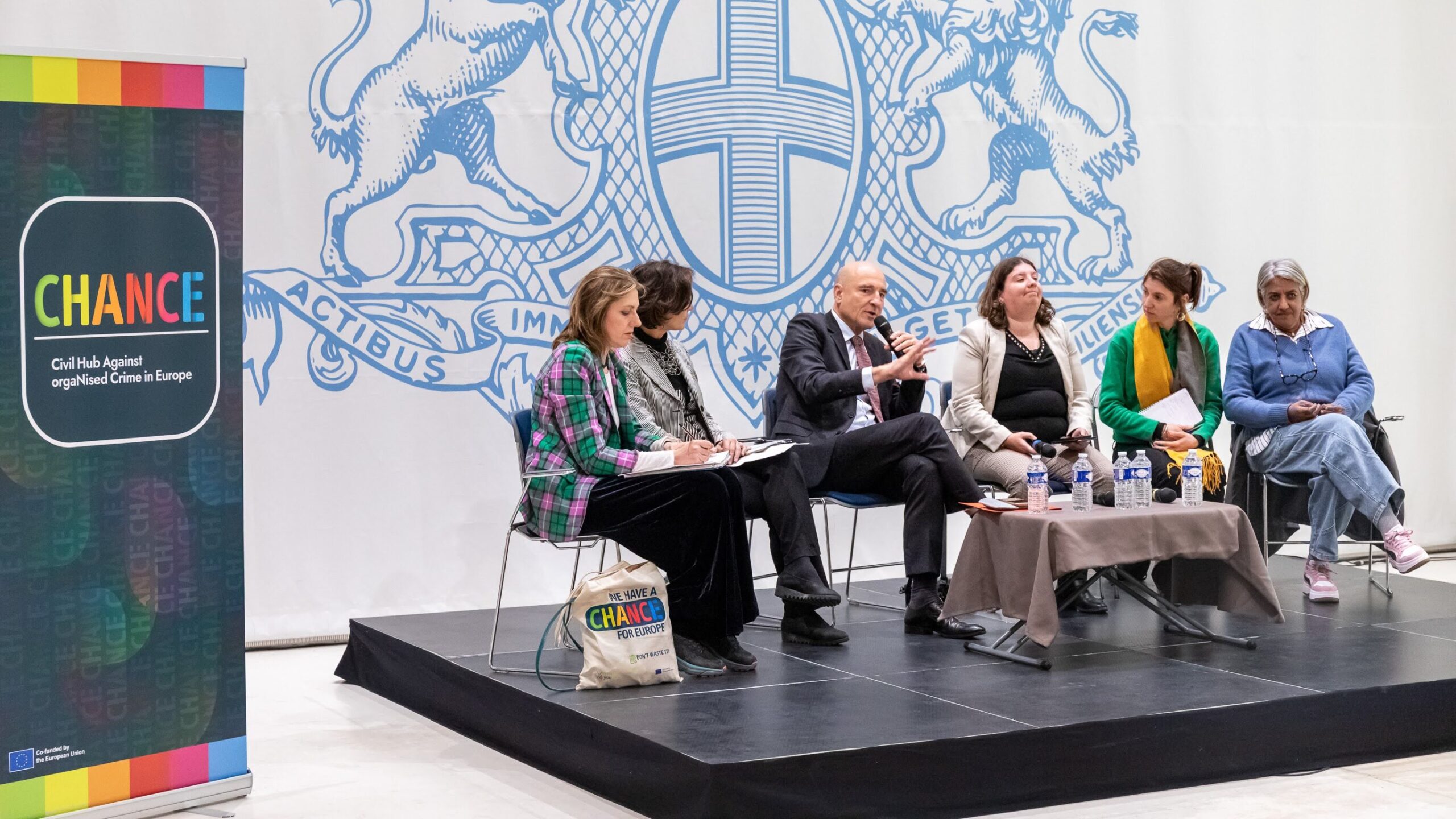
It was against this backdrop that the public event on 9 November took place, hosted at the Espace Villeneuve Bargemon, featuring the debate “DEMAIN(S) Jeunesse, Prévention et Engagement Citoyen”, organised by Libera and DeMains Libres, with the support of the European Union and under the patronage of the Consulate General of Italy in Marseille. The event was open to the public and designed as a forum for dialogue between institutions, the judiciary, local authorities and citizens.
Seated around the same table were Francesca Rispoli, co-president of Libera; Nicolas Bessone, Public Prosecutor of Marseille; Valentina Muiesan, Italian Consul General in Marseille; and Fatima Mostefaoui, who is involved in local prevention policies.
Different voices, different experiences, but a shared understanding: organised crime thrives when social ties are weakened and when young people cannot find credible alternatives.
In her address, Valentina Muiesan highlighted the importance of international cooperation in combating transnational organised crime, emphasising the role of legal diplomacy and the need to strengthen collaboration between institutions, judicial authorities and civil society at European and Mediterranean level.
Drawing on the experience gained by Libera over more than thirty years of activity, Francesca Rispoli, on the other hand, highlighted the need to invest consistently in the younger generations, by developing educational pathways, spaces for participation and concrete opportunities for active citizenship. This message is summed up by a simple yet decisive conviction: young people are not the problem, but the solution, if communities choose to stand by them.
From Marseille to a European Perspective
The discussion also highlighted the extent to which the mafia and criminal networks now operate on a transnational scale. The issues affecting Marseille are increasingly linked to trends affecting other European cities, ranging from illicit trafficking and money-laundering networks to new forms of youth recruitment. This theme also emerged in the analyses and in-depth journalistic reports produced on the sidelines of the Forum, which highlighted not only the reality of organised crime in the south of France but also the increasingly close links between criminal phenomena across various European countries.
But the Forum did not focus solely on Marseille.
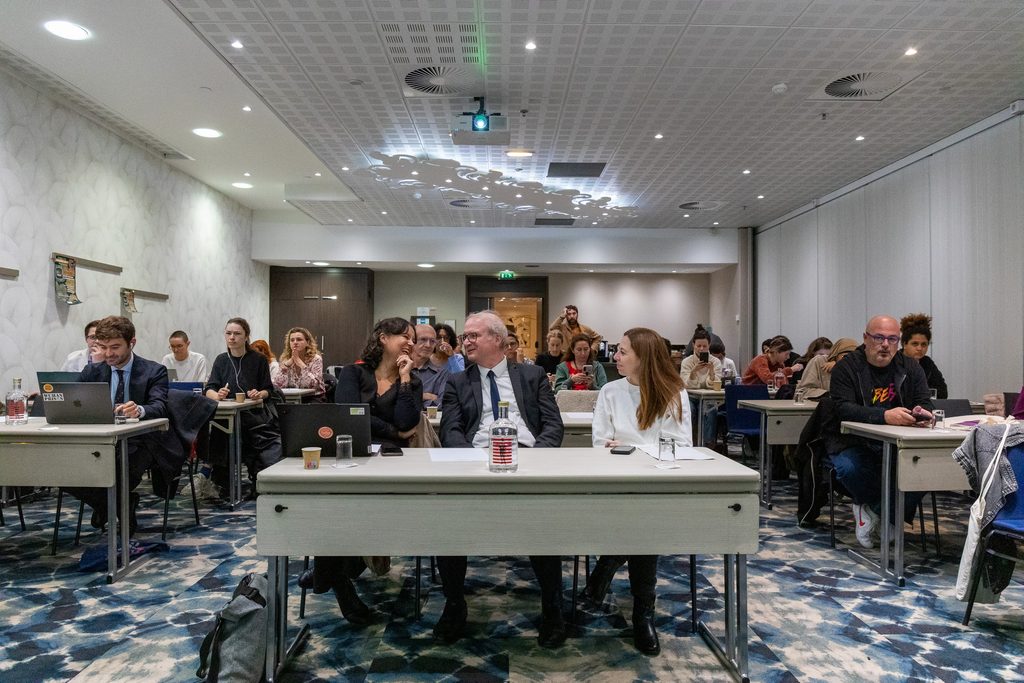
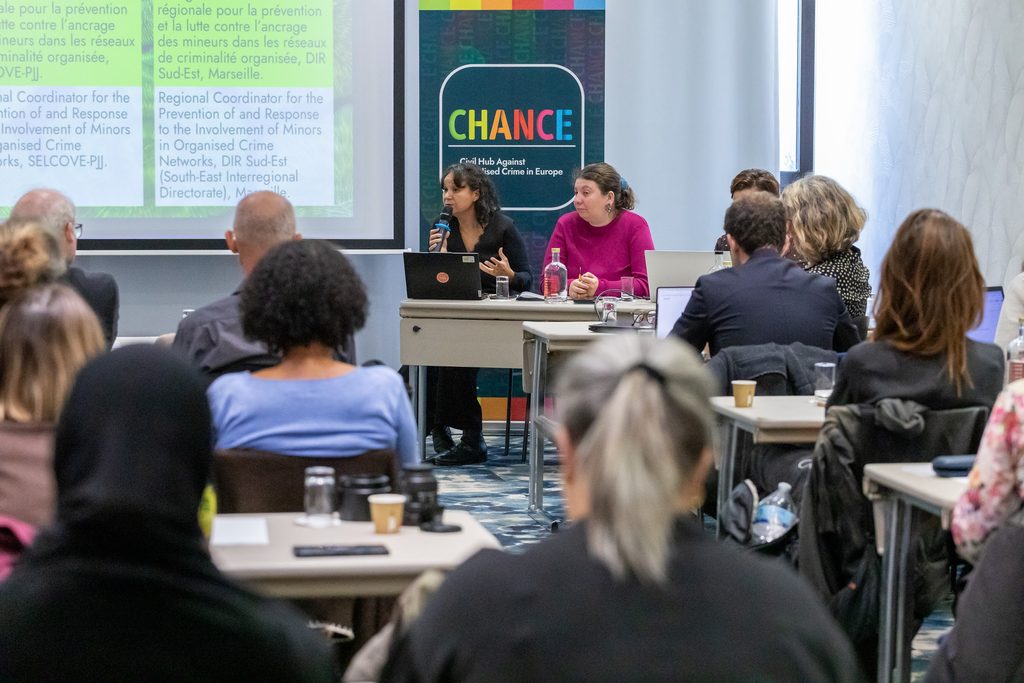
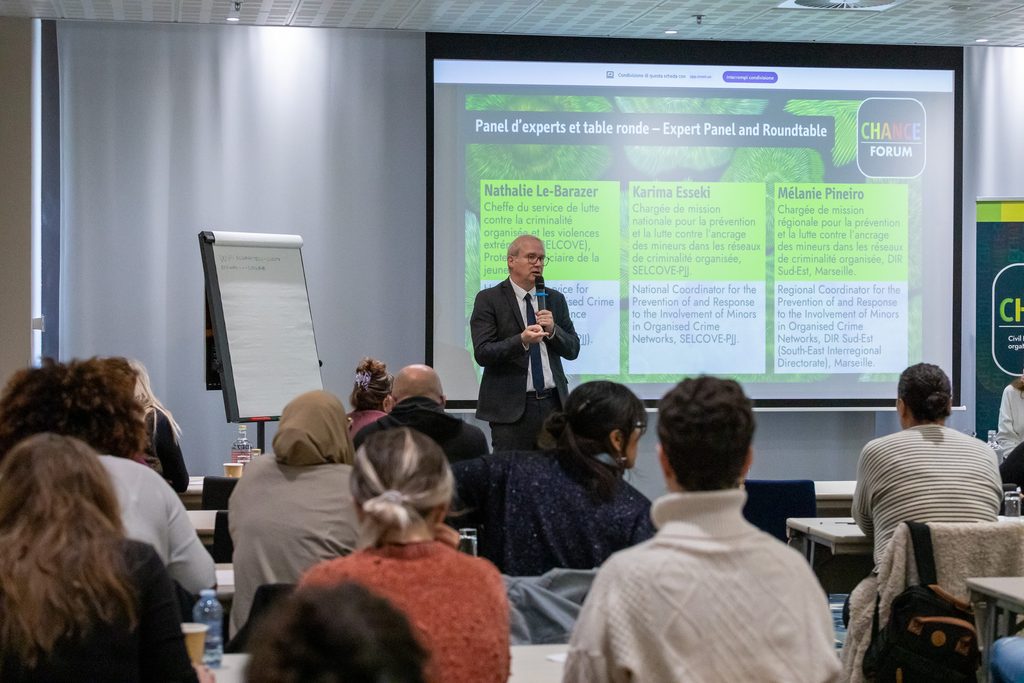
The second day broadened the perspective to encompass the whole of Europe, bringing together experts, institutions and international organisations in dialogue. From the French Ministry of Justice’s strategies to combat the involvement of minors in criminal trafficking, to the analyses by Ruggero Scaturro of the Global Initiative Against Transnational Organised Crime (GI-TOC), and the contribution from the Crime Alliance, the discussion highlighted how the recruitment of young people by criminal organisations now represents a common challenge for many European countries.
No less important was the work dedicated to the social reuse of confiscated assets. Whilst in Italy this approach is now well-established thanks to the efforts of organisations such as Libera, in other European contexts the issue is beginning to emerge as an innovative tool capable of transforming assets seized from criminal organisations into opportunities for social development and benefits for local communities.
Building Alliances for Safer Communities
Between one session and the next, what perhaps emerges most strongly is the value of the meeting itself.
Organisations from different parts of Europe, working in different national contexts, discover that they share many of the same questions. How can we protect young people from violence and criminal recruitment? How can we support victims? How can we develop responses that are not merely repressive? How can we ensure that communities take the lead in their own security?
There are no simple solutions. Yet, looking at the dialogue between the organisations in the CHANCE network and the groups in Marseille, it is clear that a possible solution lies in the ability to build alliances.
Alliances between organisations and institutions. Between neighbourhoods and cities. Between those working on the ground every day and those working at European level. Between different initiatives that choose to recognise themselves as part of the same challenge.
This is why the CHANCE Forum in Marseille is not an end in itself. It is a stage in a journey that continues to grow thanks to the joint efforts of DeMains Libres, Libera and the numerous European organisations that make up the CHANCE network. A journey which, starting from the local level, seeks to build a Europe capable not only of combating organised crime, but also of restoring space, trust and a future to its communities.